Ghana is living out the exact trap the US-Mexico story warns against.
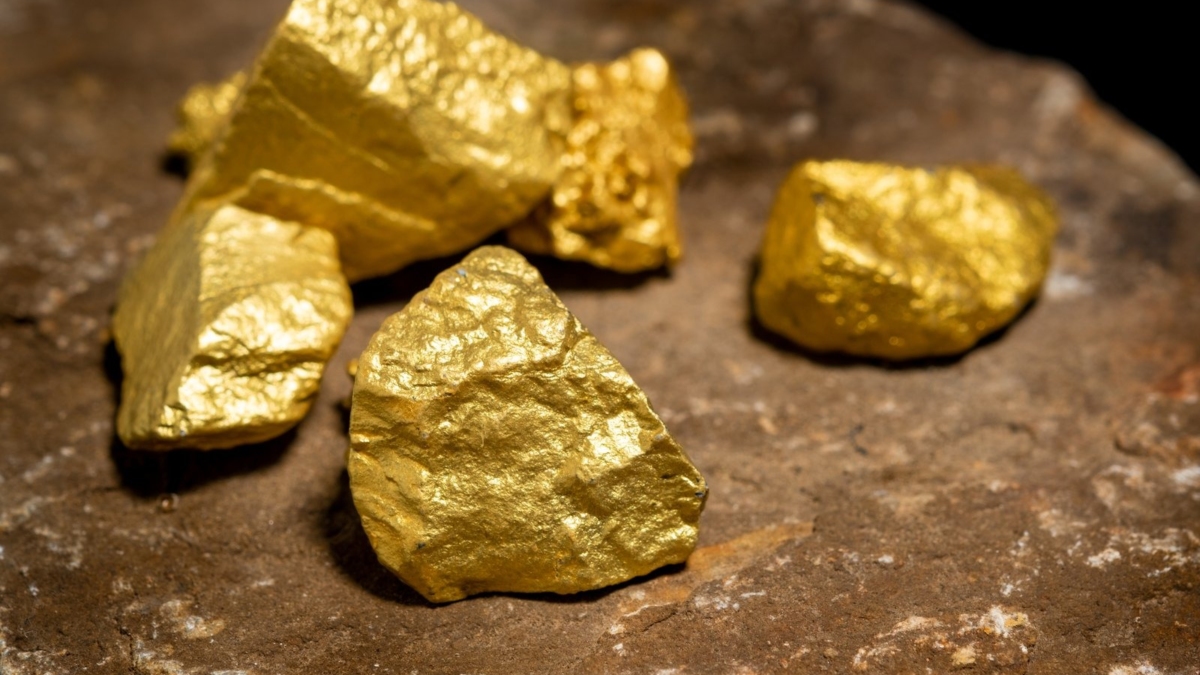
Gold export earnings hit a record $20.98 billion — a near-doubling driven by high commodity prices. Impressive on paper. But the Institute for Fiscal Studies flagged the awkward footnote: while export values doubled, state mineral royalties grew only 21%, climbing from $364M to $441M. More gold out the door, barely more money staying home.
The structural cracks run deeper:
- Artisanal miners — operating largely outside formal fiscal infrastructure — extracted 3.11 million ounces, accounting for 51.5% of national gold revenue ($10.8B). Royalties from that segment? Essentially zero.
- Ghana ships 5–6 million tonnes of manganese and 2.5–3 million tonnes of bauxite annually as raw, unrefined bulk — minerals worth multiples more once processed.
- The newly ratified Ewoyaa Lithium Project hands Ghana a 13% equity stake and sliding royalties. But if that lithium leaves as raw spodumene concentrate rather than battery-grade lithium hydroxide, the country will simply replicate its gold vulnerabilities in the green energy transition.
Where the Midstream Money Lives
The US figured out what Ghana hasn’t yet acted on: sovereign wealth is built in the refineries, not the mines.
The US Department of Defense is subsidising companies like MP Materials to expand past raw ore extraction into chemical separation and finished magnet fabrication. New export controls lock recycled battery “black mass” inside US borders. Early refinery output is ringfenced for national security sectors. The US isn’t just mining — it’s building an industrial loop.
Ghana’s equivalent move would require:
- Export bans on unprocessed minerals with hard deadlines and operational refinery mandates
- Formalising artisanal supply lines to close the royalty gap flagged by the IFS
- Eco-industrial free zones at Tema and Takoradi ports, anchored by green energy grids and midstream chemical refinery incentives
- AfCFTA leverage — combining Ghanaian bauxite and lithium with regional manufacturing to build battery assembly supply chains for the wider African market
What’s Next
The window created by global supply chain realignment won’t stay open indefinitely. Capital chasing diversification away from China is actively looking for the next Mexico — a stable, resource-rich, logistics-ready partner willing to move up the value chain. Ghana has the raw materials. The question is whether it builds the processing infrastructure before that capital finds somewhere else to land.